
A Smart Investment for Restaurants and Cafes: Commercial Patio Enclosures
Lynn Haven, United States – July 22, 2026 / Panhandle Outdoor Solutions /
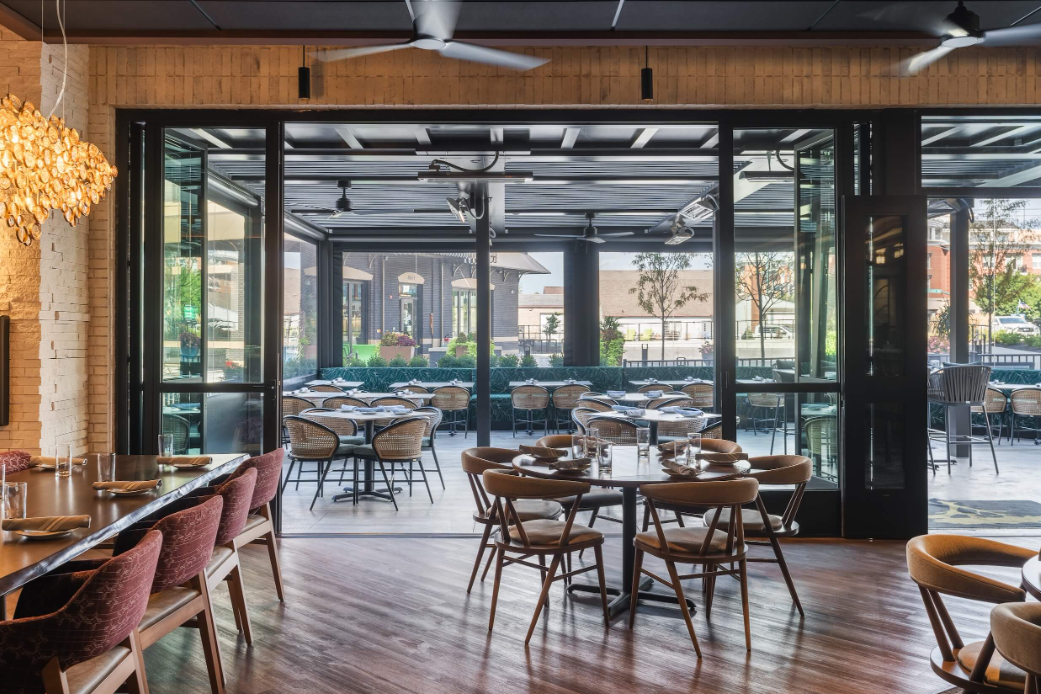
Outdoor dining is about more than serving food. It is about creating a space where guests feel comfortable and settle in without distraction. On the Gulf Coast, unpredictable sun, wind, and rain can undo that in minutes. That is why commercial patio enclosures have become essential for restaurants and cafes that want to use their outdoor square footage all year. Here we break down the systems that hold up in a coastal commercial setting.
Commercial patio enclosures for restaurants and cafes typically combine two systems: motorized retractable screens that block sun, wind, insects, and debris at the touch of a button, and louvered pergolas with adjustable roofs that control shade, ventilation, and rain. At Panhandle Outdoor Solutions, we install Progressive Screens motorized screens and StruXure pergola systems, both available in configurations tailored to your patio footprint and your brand. Used together or on their own, they turn a two-season patio into a four-season revenue center without the cost or disruption of permanent construction.
Types of Commercial Patio Enclosures
Motorized retractable screens are the starting point for most commercial patios. They retract into a discreet housing when you want an open-air room and extend when the weather turns. Ours use the patented MagnaTrack system from Progressive Screens, a zipper-free, self-tensioning track that eliminates 98% of the operational issues that plague older designs, so staff can raise or lower a screen mid-service without jams. Screens come in solar mesh or vinyl, compared further down.
Frames are powder-coated aluminum with stainless steel components, so they do not rust, peel, or bubble in salt air. Every screen carries a 10-year warranty and can span up to 30 feet wide by 20 feet tall (limitations apply), covering most restaurant openings without a post breaking the sightline. Custom powder-coat colors let the frame read as part of your building rather than equipment bolted onto it.
For coastal venues, the Defender MagnaTrack Storm System deserves a close look. Its Kevlar-like woven fibers withstand heavy debris impacts in Category 5 storms, rated to 156+ mph, so one system covers daily guest comfort and hurricane season.
Louvered pergolas are the second half of the equation, and the piece that solves rain. On the StruXure Pergola X platform, the adjustable roof opens, closes, pivots, and slides, giving you control of sunlight, shade, and ventilation at the touch of a button. Closed, it sheds rain. Open, it lets heat escape. Commercial-grade extruded aluminum resists corrosion and wear, and the platform accepts integrated lighting, heaters, fans, motorized screens, and weather sensors.
Weather Protection Advantages
When a squall rolls in off the water or the afternoon sun hits the west side of the patio, a well-designed enclosure keeps comfort consistent instead of emptying your best tables. Solar mesh cuts UV and glare, protecting guests and slowing the fading of furniture and finishes, and it reduces solar heat gain, lowering the cooling load on adjoining indoor space.
The revenue logic follows: a comfortable patio keeps selling. Instead of losing a seating to sun, wind, or drizzle, guests stay put and the section keeps turning.
Shielding from Sun and Rain
Progressive Screens fabric does not just block sunlight. It repels water and stands up to strong Gulf breezes, while louvered roofs close to shed rain and open again once the sky clears. Together they give you certainty when booking a rehearsal dinner or a live music slot, exactly when a cancellation costs most.
Panhandle weather can change three times in an afternoon, so adaptability is the point. Smart controls run screens and louvers from a smartphone, a remote, or your building automation system, and autonomous wind and rain sensors respond on their own.
Wind and Insect Protection
Retractable screens keep insects out while maintaining airflow and visibility, so guests eat instead of swatting. The MagnaTrack track holds the screen under tension rather than relying on a zipper, which is what allows it to stay put in conditions that defeat lighter alternatives, and the Defender series extends that protection into storm season.
| System | Best For | What It Handles | Key Notes |
| Motorized solar mesh screens | Guests who still want to feel outdoors | Sun, glare, UV, insects, wind, debris | Preserves airflow and view; cuts solar heat gain |
| Motorized vinyl screens | Shoulder-season and cool-evening service | Wind, rain, cold; retains warmth | Tighter barrier than mesh, with less airflow |
| Defender MagnaTrack storm system | Coastal and wind-exposed venues | Everyday comfort plus storm season | Kevlar-like fibers built for Category 5 debris impacts (156+ mph) |
| Louvered pergola (StruXure Pergola X) | No roof, or where rain is the main problem | Rain, sun, heat, ventilation | Roof opens, closes, pivots, slides; accepts lighting, heaters, fans, sensors |
Most patios we work on use more than one system: mesh and vinyl are different tools, not competitors, and the same holds for screens and louvered roofs.
Enhancing Privacy and Ambiance
Screens also act as a soft boundary, giving guests seclusion without closing them off. Solar mesh softens sightlines from the sidewalk or parking lot while keeping the outward view intact, so nobody feels boxed in. Because screens are motorized and louvers adjust, you can tune that balance across the day: open and airy at lunch, more enclosed after dark. Enclosures cut street noise too, which in a busy corridor decides whether guests can hold a conversation or leave early.
Factors worth keeping in mind when you design for privacy and ambiance:
- Choose fabrics that admit natural light while cutting glare and heat.
- Use motorized screens and louvers so staff can respond to weather and crowd size in seconds.
- Consider vinyl where noise reduction and warmth retention matter most.
- Match frame color and fabric to your existing exterior.
- Specify integrated warm lighting during design rather than adding harsh fixtures later.
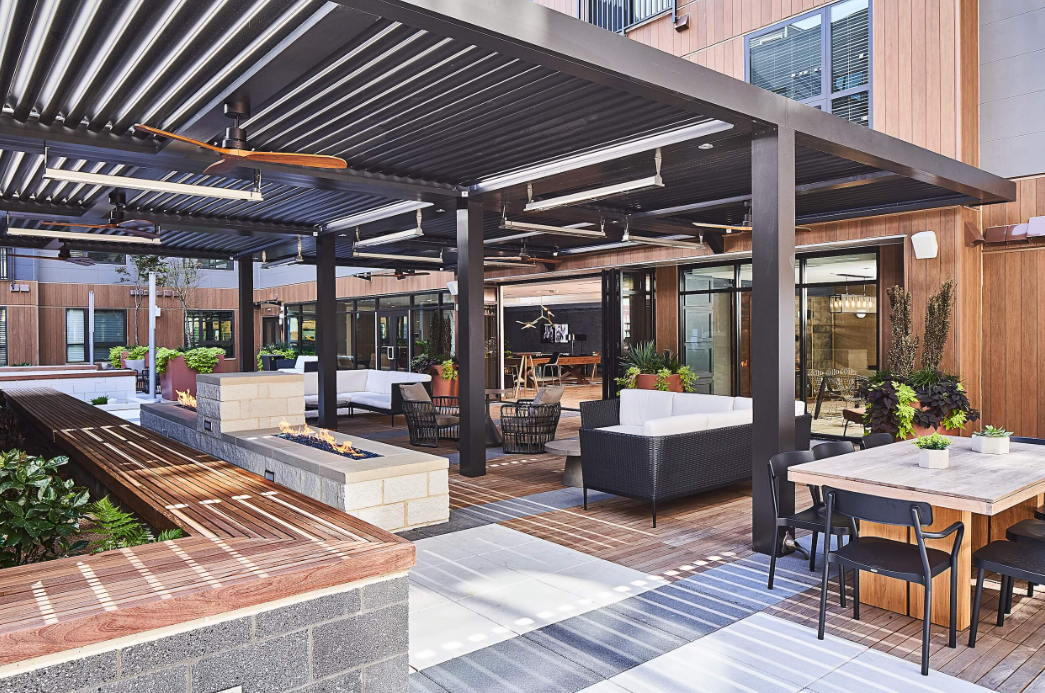
Installation Considerations
Start with permitting. Requirements vary by jurisdiction across the Panhandle, and commercial work brings considerations residential work does not, including wind load, egress, and fire access. Permits confirm your enclosure meets the codes written to keep guests and staff safe, and working without them can mean fines or a dismantling order.
The structural side is easier than owners expect. Most commercial enclosure systems are modular and non-permanent, installing onto existing patios and decks without a full building expansion. That keeps cost and timeline well below what adding conditioned square footage would require.
Professional installation decides longevity. As an official Progressive Screens dealer, we know how the track needs to be anchored, how aluminum behaves in salt air, and what local standards require. Accurate dimensions prevent gaps that let in insects and weather, and clearance height should be confirmed against ADA requirements during design. We schedule around your service and set clear timeline expectations at consultation.
Cost Analysis and Budgeting
Pricing depends on the size and number of openings, mesh or vinyl, whether you add a motorized pergola or work with an existing roof, your control and sensor package, and any custom branding work. A single screened opening on a covered patio and a full pergola build with lighting and heaters are very different numbers. That is why we quote rather than publish a price list, and our quotes are fair and upfront with no hidden charges.
The value case is utilization. A patio that only works in mild weather is capital sitting idle for months. A patio that works year-round is seating you already own, generating revenue in the shoulder seasons and during weather that used to send guests home.
Before you set a budget, work through your own numbers:
- What are your peak and shoulder seasons, and how many service days do you currently lose to weather?
- How many covers does the patio hold, and what is the average check out there?
- Do you need a space you can fully enclose, or screening you can leave open most of the year?
- Are you covering an existing structure, or building the roof too?
Factor in the lifecycle too. The warranty and corrosion resistance carry most of the load, though any system in Gulf sun and salt air benefits from routine cleaning. If capital timing is the obstacle, financing is available.
Choosing the Right Enclosure
Every restaurant and cafe has a distinct footprint, clientele, and operational rhythm, and all three shape what will work. If your patio faces the Gulf or sits in an exposed corridor, durability leads, and the Defender series covers both everyday comfort and storm season. If guests come for the open air and only occasionally need shelter, screen the two or three openings that take weather and leave them retracted the rest of the year. If rain is your main enemy, the answer is a louvered roof, because screens do not solve overhead water.
Budget shapes the choice too. The cheaper specification is not always the cheaper decade: a system that fails during your busiest weekend carries costs that never show up on the quote. Weigh the upfront number against the warranty, the material, and how the system behaves in year eight.
Choosing the right materials with local guidance is what gives your restaurant or cafe the comfort and longevity your outdoor seating is capable of. We design, install, and stand behind commercial patio enclosures throughout Lynn Haven, Panama City, Panama City Beach, Destin, 30-A, Santa Rosa Beach, Pensacola, Tallahassee, and surrounding areas.
Popular Enclosure Materials
Solar mesh is the workhorse, blocking UV and glare and keeping insects and debris out while letting air move through, which suits patios where guests want to feel outdoors rather than behind a window. It is not a full barrier against driving rain, which is where a louvered roof or vinyl panel earns its place.
Vinyl gives the tighter seal, shielding the dining area from wind and rain, holding warmth on cool evenings, and cutting more street noise. The tradeoff runs the other way: less airflow and a more enclosed feel. Many venues run mesh on the openings facing the view and vinyl on those facing the weather or the road.
Underneath both sits the powder-coated aluminum framing described above, which makes either fabric a decade-long decision rather than a seasonal one.
Upgrade Your Restaurant’s Outdoor Dining Experience
Every day your patio sits empty because of sun, wind, or rain is a missed revenue opportunity. With custom commercial patio enclosures, motorized screens, and louvered pergolas, you can create a comfortable outdoor dining space that keeps guests coming back throughout the year.
Whether you own a restaurant, café, bar, hotel, or hospitality venue, Panhandle Outdoor Solutions designs and installs durable, weather-ready systems tailored to your property, brand, and operational needs.
Request your free commercial consultation today to discover the right enclosure solution for your business and start getting more value from your outdoor space.
Call 850-819-8451 or schedule a consultation to get started.
FAQs on Commercial Patio Enclosures
1. What is the best patio enclosure for a restaurant?
The best patio enclosure depends on your restaurant’s layout and operational needs. Many businesses choose a combination of motorized retractable screens and a louvered pergola to protect guests from sun, wind, rain, and insects while maintaining an open-air dining experience.
2. Can commercial patio enclosures be used year-round?
Yes. Commercial patio enclosures help restaurants and cafés keep outdoor seating comfortable throughout the year by providing protection from changing weather conditions. This allows businesses to maximize the use of their outdoor space during more seasons.
3. Do motorized patio screens help keep insects away?
Yes. Motorized retractable screens create a barrier that helps keep mosquitoes, flies, and other insects out while still allowing fresh air to circulate. This improves guest comfort without making the patio feel enclosed.
4. Are commercial patio enclosures suitable for Florida’s coastal climate?
Absolutely. Commercial enclosure systems built with corrosion-resistant materials and designed for coastal environments can withstand Florida’s humidity, salt air, and changing weather. Choosing products designed for coastal conditions helps ensure long-term performance.
5. Do I need permits to install a commercial patio enclosure?
In many cases, yes. Permit requirements vary by city and county and may depend on the type of enclosure being installed. A professional installer can help determine the applicable permit and building code requirements for your project.
6. Can a patio enclosure increase restaurant revenue?
A well-designed patio enclosure can help increase revenue by making outdoor seating more usable during hot, windy, or rainy conditions. More comfortable seating often leads to greater table availability and an improved guest experience.
7. What is the difference between solar mesh and vinyl patio screens?
Solar mesh screens reduce glare, UV rays, and heat while allowing airflow and preserving outdoor views. Vinyl screens provide a tighter barrier against wind and rain and help retain warmth, making them a good option for cooler or wetter conditions.
8. How long does it take to install a commercial patio enclosure?
Installation timelines vary depending on the size of the project, customization, and permitting requirements. After an on-site consultation, your contractor can provide an estimated schedule based on your property’s specific needs.
9. Can commercial patio enclosures be customized to match my business?
Yes. Commercial patio enclosure systems are available in various sizes, colors, finishes, and configurations. Many businesses also add integrated lighting, fans, heaters, or automated controls to create a cohesive outdoor dining environment.
10. What types of businesses benefit from commercial patio enclosures?
Commercial patio enclosures are ideal for restaurants, cafés, bars, hotels, breweries, country clubs, event venues, and other hospitality businesses that want to create a more comfortable and functional outdoor space for guests.


Contact Information:
Panhandle Outdoor Solutions
3414 Country Club Ct
Lynn Haven, FL 32444
United States
Dalton Humphrey
(850) 819-8451
https://www.panhandleoutdoorsolutions.com/


