2026-06-02T08:17:00
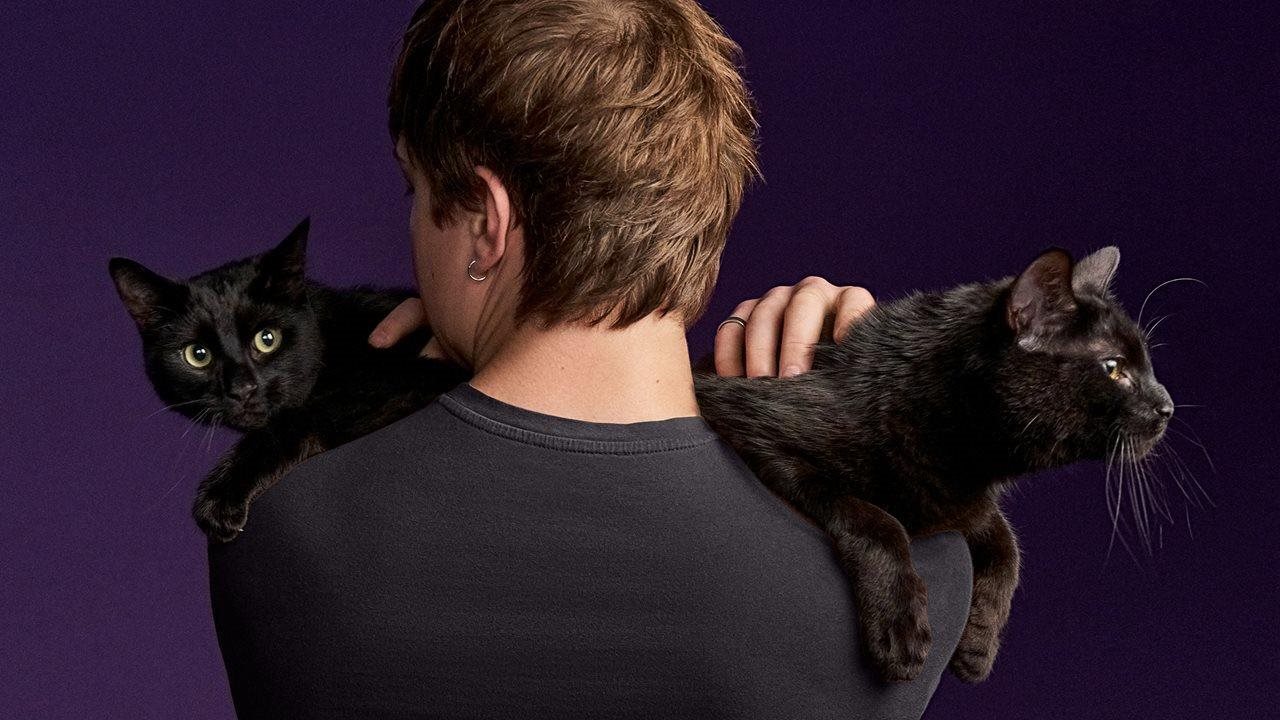
(BPT) – You’re a good cat dad, but even good cat dads get things wrong sometimes. For instance, there’s one serious condition that even the most attentive owners can’t catch at home: feline hypertrophic cardiomyopathy, also known as HCM. It’s a serious heart condition that 1 in 7 cats has, but few cat owners actually know about.1,2 This knowledge gap doesn’t usually come from lack of caring. It comes from assumptions. These six could be putting your cat at risk.

1. “Skipping an annual visit isn’t a big deal.”
Annual vet visits keep your cat healthy and are the best way to catch problems before they become serious. And when it comes to HCM, the most common feline heart disease, early detection by a veterinarian is everything.

2. “I can just ask AI about warning signs to look out for.”
Doing your research is a good place to start. But no amount of online searching can tell you whether your cat has HCM. The earliest sign is usually a heart murmur your vet catches at a routine exam. If they find one, an echocardiogram can confirm an HCM diagnosis.

3. “I would know if something was wrong with my cat.”
HCM has no visible symptoms in its early stages. Your cat could look completely healthy while his heart is struggling. If you’re waiting for something to be wrong, it may be too late.
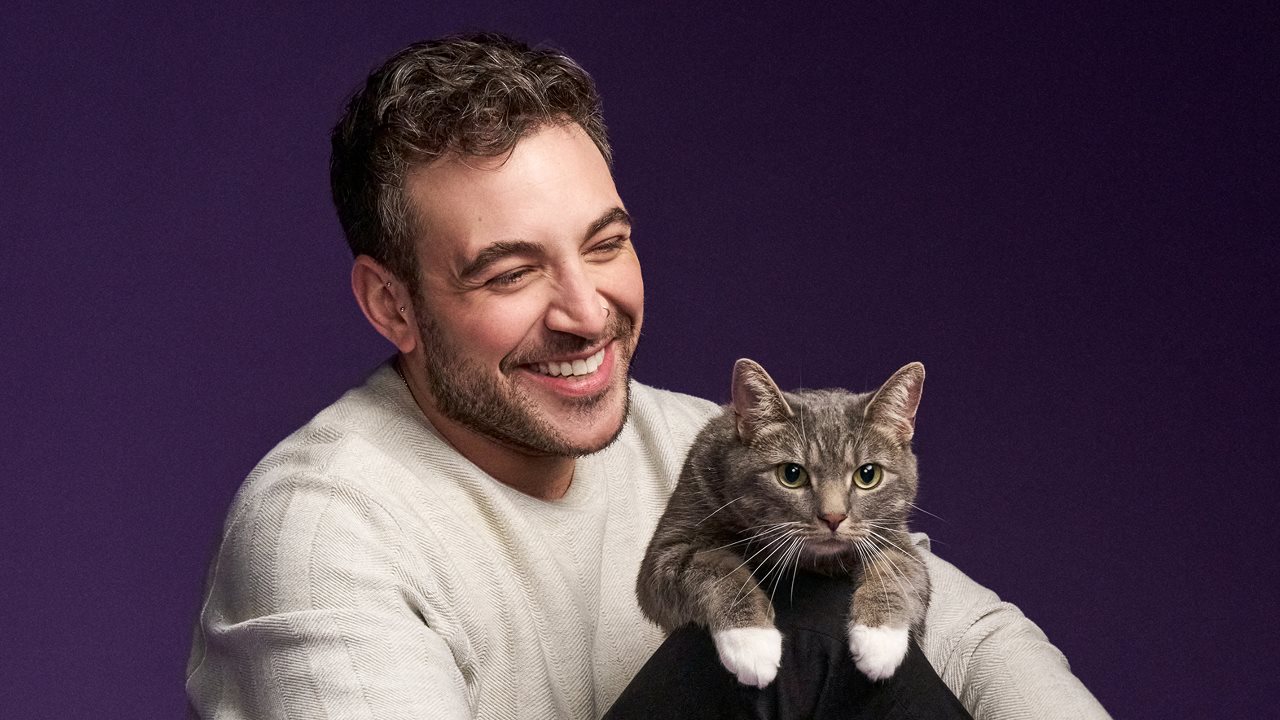
4. “My cat is young and healthy. I don’t need to worry about their heart.”
Age raises the risk, but it doesn’t determine it. HCM can develop in cats of any age, and a healthy appearance tells you nothing about what’s happening in their heart. Annual screenings are the only way to know for sure.
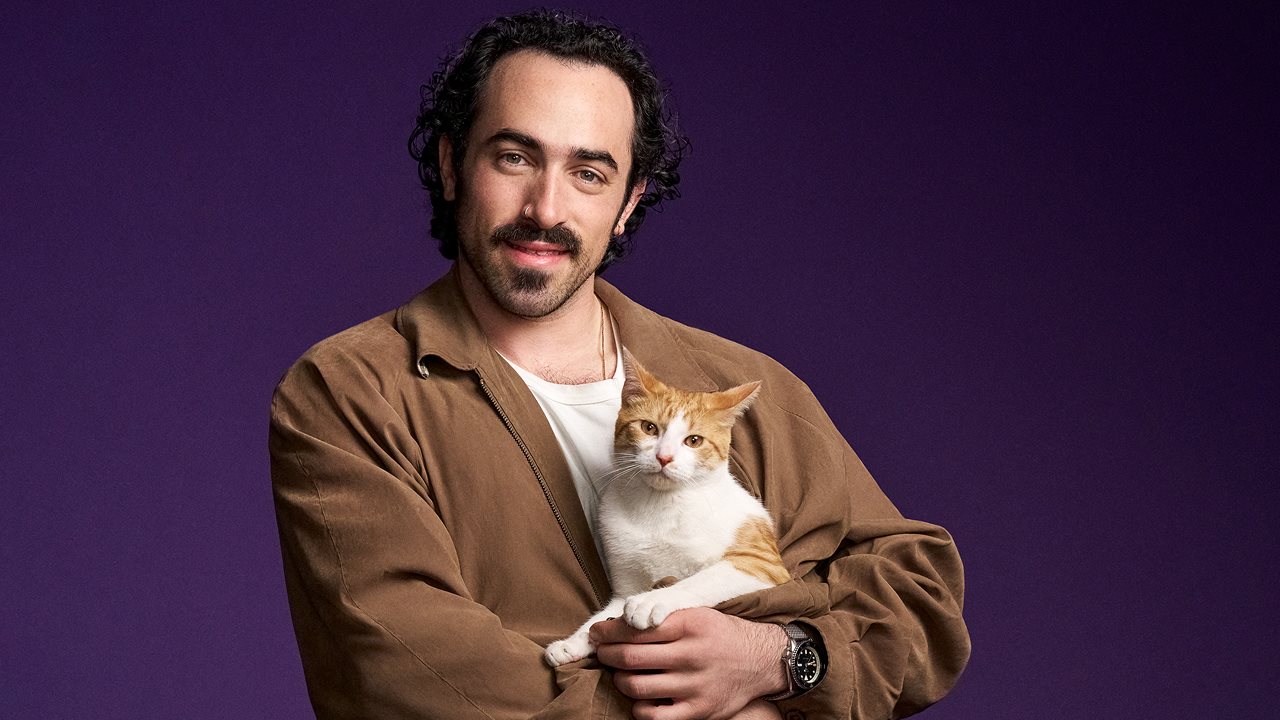
5. “Even if my cat has HCM there’s nothing I can do about it.”
There is! In the past year, the FDA gave conditional approval to a once-weekly medication that can slow the progression of HCM. Starting your cat on it in the early stages of the disease is what gives it the best chance to work.

6. “Getting him screened sounds like a whole thing.”
It really isn’t. Getting your cat screened for HCM is as easy as asking one question at an appointment you’re probably already scheduling. That’s all it takes to get ahead of it. Learn more about HCM and what you can do to protect your cat’s heart health at greatcatdad.com.
References
1Fuentes VL, Abbott J, Chetboul V, et al. ACVIM consensus statement guidelines for the classification, diagnosis, and management of cardiomyopathies in cats. JVIM 2020;34:1062-1077.
2Kittleson MD, Cote E. The feline cardiomyopathies: Hypertrophic cardiomyopathy. JFMS 2021;23:1028-1051.