
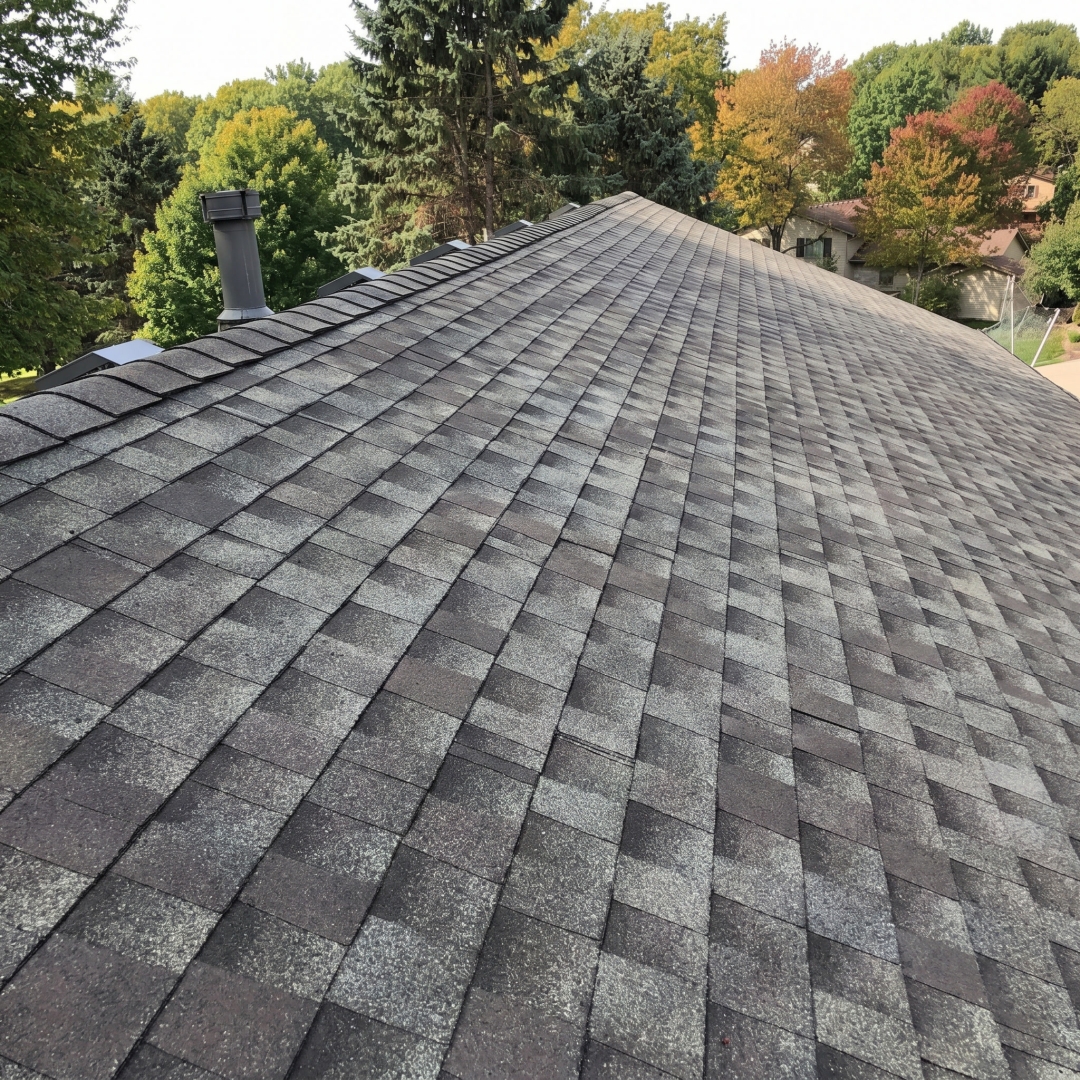
Aurora, CO – November 9, 2026 – As Colorado homeowners prepare for colder temperatures, snowfall, and rapidly changing weather conditions, East Denver Roofing is highlighting a roofing issue that is often overlooked: water leaks that develop even when shingles appear to be in good condition. The Aurora-based roofing company explains that hidden vulnerabilities around flashing, roof penetrations, attic spaces, and drainage areas can allow moisture to enter a property without obvious signs of exterior damage.
Founded in 2006 and owned by Gabriel Clark, East Denver Roofing provides residential and commercial roofing services in Aurora and surrounding communities. The company is sharing its perspective on how Colorado’s seasonal temperature fluctuations can affect roofing systems and why identifying the actual source of a leak is important before determining whether a repair or replacement is necessary.
For many homeowners, missing shingles are the most recognizable indication of roof damage. However, a roof consists of multiple components that work together to manage water, protect the underlying structure, and maintain appropriate ventilation. When one of these components becomes compromised, moisture may enter the building even if the visible roofing materials remain intact.
“Homeowners often look for missing shingles when they suspect a roof leak, but some of the most common problem areas are much less obvious,” said Gabriel Clark, owner of East Denver Roofing. “Flashing connections, roof penetrations, and areas affected by moisture or changing temperatures can create problems that aren’t easy to identify from the ground. Finding the actual source is the first step toward choosing the right solution.”
Colorado’s Front Range is known for considerable temperature changes, particularly during the fall and winter months. A period of sunshine and relatively mild afternoon weather can be followed by freezing overnight temperatures, creating repeated opportunities for snow and ice to melt and refreeze. These conditions can place additional stress on roofing materials, connections, and areas where water collects.
Although freeze-thaw cycles do not automatically cause roofing failures, repeated expansion and contraction can contribute to the deterioration of materials that are already aging or weakened. Sealants may lose flexibility, metal components can shift, and small gaps around vulnerable connections may become more susceptible to water intrusion over time.
Flashing is one of the most important components to evaluate when investigating a leak without obvious shingle damage. Installed around chimneys, skylights, plumbing vents, walls, and other roof intersections, flashing helps direct water away from areas where different roofing materials meet. When flashing becomes loose, damaged, corroded, or improperly sealed, water may enter through openings that are difficult to detect during a casual inspection.
Another challenge is that the visible location of an interior leak may not correspond to the point where water enters the roof. Moisture can travel along roof decking, framing, or other structural components before appearing as a stain on a ceiling or wall. This is why professional Roof Leak Repair often requires evaluating several possible entry points rather than simply working directly above an interior water stain.
Snowmelt can introduce additional concerns during Colorado’s colder months. Snow accumulated on a roof may melt during warmer periods and then refreeze when temperatures drop. Under certain conditions, ice dams can form near roof edges, restricting drainage and allowing water to collect behind the ice. If the roofing system has vulnerable areas or inadequate protective measures, the trapped water may find pathways beneath the roofing materials.
Ice dams are influenced by several factors, including roof configuration, snow accumulation, heat loss from the home, and attic conditions. Addressing repeated winter moisture problems may therefore involve more than repairing exterior roofing materials. In some cases, improving insulation, air sealing, drainage, or other building components may be part of the appropriate long-term solution.
Attic condensation is another issue that can be mistaken for a traditional roof leak. During cold weather, warm and humid indoor air can enter an attic through gaps around ceiling fixtures, access openings, or other penetrations. When this air reaches sufficiently cold surfaces, moisture may condense on roof decking, fasteners, and structural materials.
Over time, condensation can contribute to damp insulation, staining, and deterioration that resemble damage caused by exterior water intrusion. Because the underlying causes differ, correctly distinguishing condensation from an actual roofing leak is essential. A roofing evaluation may include examining accessible attic areas, ventilation conditions, insulation, and visible signs of moisture movement.
East Denver Roofing notes that homeowners should avoid assuming that every roof leak requires a complete replacement. When the surrounding roofing materials remain serviceable, localized Roof Repair may be an appropriate option. However, repeated water intrusion, widespread material deterioration, extensive damage, or an aging roofing system may require a more comprehensive assessment.
The company encourages property owners to consider the overall condition of the roofing system rather than making decisions based on a single visible symptom. Shingles, flashing, underlayment, ventilation, and drainage all contribute to long-term performance, and problems involving one component can sometimes affect others.
“One of the most important parts of roofing work is understanding why the problem developed in the first place,” Clark explained. “A repair should address the underlying cause, not just the visible symptom. Homeowners benefit from knowing whether they’re dealing with an isolated issue or something that affects the broader roofing system.”
For property owners planning larger improvements, professional Roof Installation involves considerations beyond the selection of shingles or other exterior materials. Roof design, underlayment, flashing details, ventilation, drainage, and compatibility with local weather conditions all influence how the completed system performs.
These considerations also apply to businesses and larger properties. Commercial Roofing systems may involve different materials, low-slope configurations, drainage arrangements, and rooftop equipment penetrations, but they share the need for effective water management and attention to vulnerable connections.
As November progresses, East Denver Roofing encourages homeowners throughout Aurora and the eastern Denver metropolitan area to pay attention to recurring ceiling stains, damp attic insulation, peeling interior paint, or moisture that appears after snowmelt. These conditions do not always indicate a major roofing failure, but they can justify further evaluation before additional exposure leads to more extensive damage.
Homeowners can also review visible gutters and drainage areas for obstructions and observe roof conditions safely from the ground. Any inspection requiring roof access, elevated work, or examination of potentially damaged materials should be handled by qualified professionals.
East Denver Roofing emphasizes that identifying roofing concerns early can provide property owners with a clearer understanding of available maintenance and repair options. As Colorado moves toward winter, recognizing that a roof can develop leaks without missing shingles is an important part of maintaining a home and protecting its interior from avoidable moisture exposure.
About East Denver Roofing
Founded in 2006, East Denver Roofing is a roofing company serving Aurora, Colorado, and surrounding communities. Owned by Gabriel Clark, the company provides residential and commercial roofing services, including roof installation, roof leak repair, and general roofing repairs. East Denver Roofing helps property owners evaluate roofing concerns and identify practical solutions suited to Colorado’s seasonal weather conditions.
Media Contact
Company Name: East Denver Roofing
Contact Person: Gabriel Clark
Email: Send Email
Phone: 983-207-6990
Address:16768 E Iliff Ave Ste K
City: Aurora
State: CO
Country: United States
Website: google.com/url?q=http://eastdenverroofing.com&sa=D&source=editors&ust=1794153432071054&usg=AOvVaw3vraI5tOX3MhsLl2rp6TB1
Press Release Distributed by ABNewswire.com
To view the original version on ABNewswire visit: East Denver Roofing Explains Why Colorado Roofs Can Develop Leaks Without Missing Shingles


